
Gardening can be fun and rewarding, but weeds can take over your garden in a matter of days; before you know it, your plants are fighting for survival. There are a lot of different weed control methods out there, but how do you know which is the best for you?
Each weeding method has a balance of pros and cons, so understanding the differences can help you choose the best course of action for each unique set of circumstances. This blog post compares natural, organic, and inorganic weed control methods to help you make the best decision for your garden.
The natural way to get rid of weeds is to pull them out yourself. The natural weeding method you choose can be simple or use strategies such as creative solarization and cultivating the land.
The pros of natural weeding are numerous; aside from burning tons of calories and the satisfaction of hard work, you will prevent chemicals from harming unintended bystanders like pets, surrounding plants, and beneficial insects.
However, no matter how hard you try, there are occasions when pulling weeds doesn’t feel worth the effort because you get poor results. For example, if you have pulled quack grass out of the ground, then you have seen that it has a thick white rhizome. I can attest that I have pulled quack grass over four feet long on several occasions out of my small suburban garden. It’s easy to confuse this lengthy, white substance as a root, but it is a stem. Every time you pull quack grass out of the yard, you double your plant! So, much like the mythical hydra, you cut the head off, and several grow in its place. Indeed, quack grass is a formidable enemy.
The primary con of natural weeding is that it may not be effective. So if you find yourself winning the battles but losing the war, you may need to move on to herbicides.
Removing plants by hand is an age-old strategy to get rid of weeds. However, pulling weeds by hand can be a cumbersome chore, so make it as convenient as possible and work it into your routine. For example, if you keep a bucket with a shovel and a pair of garden gloves by entryways, you will make it easy to take a few minutes every other day to pull a few weeds. You will be impressed to see what you can accomplish in five minutes, feel great about your work, and keep up with the garden without feeling overwhelmed.
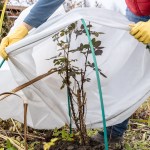
Hand-pull weeds with sophistication using creative solarization. Once the soil is workable in the late winter, cover your flowerbeds with a plastic shower curtain or similar transparent material before planting crops. Keep the covering on for approximately three weeks.
How This Version of Solarization Works
- The plastic will smother the deepest layers of the soil by preventing oxygen and water from penetrating. As a result, many weed seeds cannot germinate.
- The shallow-rooted weeds near the ground surface will have the perfect growing environment because the clear plastic will allow the shallow ground layers to get plenty of sunlight and trap extra warmth near the ground surface, to grow the shallow-rooted weeds.
- Pluck the sprouting weeds before you plant a single crop, and you can cut your weeds in half before your season starts!

When your hand is not strong enough, you may need to trip to the shed. A sharp hoe may be effective in some circumstances, but beware of the harm you may cause to surrounding crops. For example, cutting the soil near a tomato plant will harm a tomato’s ability to absorb nutrients, resulting in blossom end rot. Physically removing weeds is the only practical control method for the strong roots of unwanted bushes and shrubs. However, these plants may outpower you sometimes, so using weed wrenches can be necessary. Call a professional if you find that your weed torques are not working against robust roots. You could incur an enormous repair bill if your plant is entangled in pipes.

When your hand is not strong enough, you may need to trip to the shed. A sharp hoe may be effective in some circumstances, but beware of the harm you may cause to surrounding crops. For example, cutting the soil near a tomato plant will harm a tomato’s ability to absorb nutrients, resulting in blossom end rot. Physically removing weeds is the only practical control method for the strong roots of unwanted bushes and shrubs. However, these plants may outpower you sometimes, so using weed wrenches can be necessary. Call a professional if you find that your weed torques are not working against robust roots. You could incur an enormous repair bill if your plant is entangled in pipes.
Herbicides are commercially produced products that kill weeds. Herbicides are pesticides. The EPA defines a pesticide as a substance or mixture intended to prevent, destroy, repel, or mitigate any pest. Any substance or mixture of substances intended for use as a plant regulator, defoliant, or desiccant. 1
Herbicides include:
- Herbicides – plants
- Pesticides Insecticides – insects
- Rodenticides – rodents (rats & mice)
- Bactericides – bacteria
- Fungicides – fungi
- Larvicides – larvae
There are two categories of herbicides: organic herbicides and synthetic herbicides. The active ingredient listed in the product determines which is which. Every product sold under this category is highly regulated, and the packaging warns purchasers that it is toxic if children and or animals ingest it.
- Never make a “do-it-yourself herbicide.” You will likely cause unexpected problems, waste your money and time, and inadvertently poison unintended plants, yourself, and wildlife.
- Always read the label thoroughly and follow the instructions carefully before using herbicide or any other product on your lawn.
- Leave treated grass clippings on the grass. Do not recycle the clippings in your garden as mulch or organic matter, or you will be poisoning your flowers and edibles.
- Remove herbicides from asphalt or pavement to prevent contamination of street gutters and other unintended locations.
- Apply the chemicals directly to the intended weed. Use a funnel, such as a gallon jug with the bottom cut out, as a sneeze guard for surrounding plants.
Organic herbicides meant for weeding have active and inert ingredients such as surfactants and adjuvants. Organic means being or coming from living plants and animals. 2 Examples of active ingredients are listed below. 3
- Acetic Acid
- Citric Acid
- d-limonene (Citrus Oil)
- Clove Oil or Clove Leaf Oil
- Cinnamon Oil
- Lemongrass Oil
- Eugenol
- 2-Phenethyl Propionate
- Sodium Lauryl Sulfate
- Ammonium Nonanoate
- Pelargonic Acid+Fatty Acid
Organic herbicides will damage weed leaves and stems, but not kill the root. “Organic herbicides kill only contacted tissue, so good spray coverage is essential.” 4 Furthermore, while organic herbicides are immediately effective, they rapidly dissolve so that they do not cause long-term or possibly irreversible damage. Additionally, the annual cost of organic herbicides is generally more expensive than traditional herbicides, and because they dissolve relatively fast, you must frequently reapply the product for new weed growth.
Choosing your ingredients is just the first step toward your dinner delight. Remember, there are often several varieties of the same plant, and many plants have some edible parts while others are not, so purchase your edible flowers from a reputable supplier. Likewise, if you are personally growing your edible blossoms, ensure that you follow the instructions carefully and be mindful of pesticides and other toxins that could affect the quality and nutrients of your plants. Finally, add them at the last minute for best results, and beware of salad dressings and seasonings that might cause your dish to wilt prematurely. With some culinary experience using edible blossoms, you will find that integrating them into your meals is like sending yourself a bouquet of flowers.
- What is a Pesticide? EPA, United States Environmental Protection Agency, 2022.
- Organic. Cambridge Dictionary.
- Shaffer, Gared. Organic Herbicides. South Dakota State University Extension, 2022.
- Lanin W. Thomas, Organic Herbicides - Do They Work? University of California, Nursery and Floriculture Alliance.