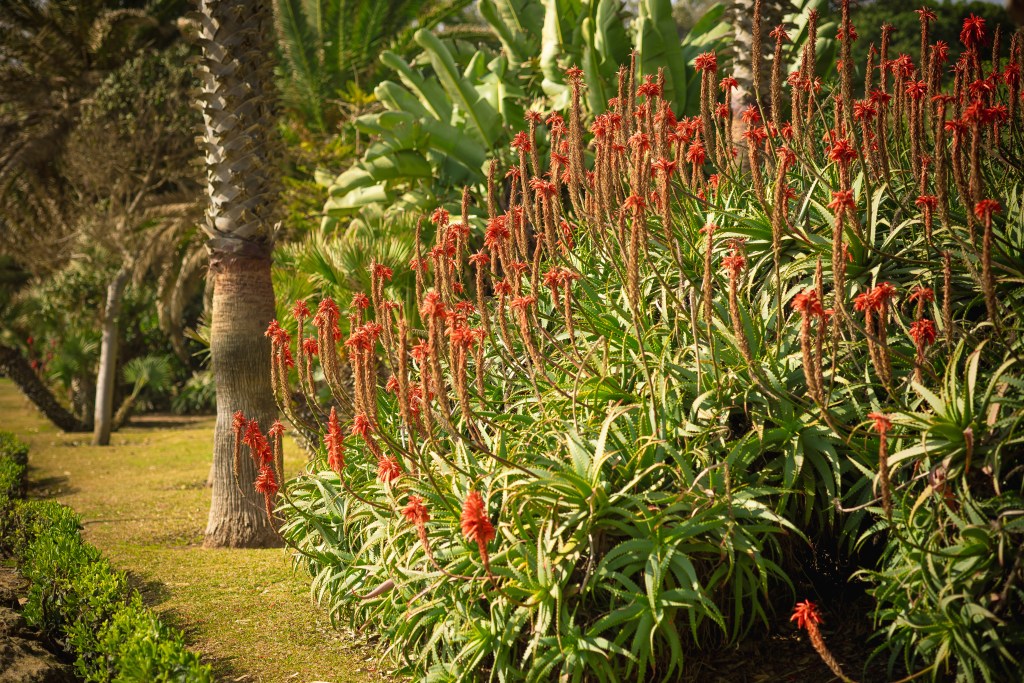
Red yucca is a distinctive flowering succulent with bundles of evergreen leaves with silvery-colored foliage that give rise to a 5-foot-tall branching inflorescence garnished with trumpets of crimson and blushing red stalks that produce one-inch eggshell yellow flowers.
Red yucca, also known as coral yucca, redflower false yucca, yellow yucca, and hummingbird yucca, is from Texas and New Mexico and grows abundantly across the Southwest United States. This plant is hardy in extreme heat and cold conditions and can even tolerate low humidity indoors.
Red yucca is commonly featured in rock gardens or used to add height among succulents in a xeriscape garden. In addition, the striking structure of its branches makes a sculptural houseplant, adding an element of size to your yard.
How to Care for Red Yucca
Once established, this plant survives with minimal watering (once a month) but will drown in overwatered, soggy soil. Therefore, well-drained loam is preferable, and rocky silt is suitable, but clay soil is too rich and will cause its fibrous roots to rot. If you are concerned that your garden conditions are incompatible, opt to grow your flowers in a container indoors for more control over the environment.
Although fertilizing is generally unnecessary, once the roots have had an opportunity to establish themselves, in the second year, a balanced liquid fertilizer added to the watering routine will help your plant reach its full height potential in faster succession. Pruning is not necessary for red yucca, but if you trim the stems to reduce the size of your plant, it will continue to blossom and grow as usual.
How to Grow Red Yucca
Red yucca seeds purchased from a reputable nursery will grow true to form. Since these perennials are self-fertile, you only need one plant to get flowers.
Ensure successful plants by germinating the seeds indoors. Once your seedlings sprout into plants that have grown to approximately 6 inches high, they are ready to be transplanted into individual pots and displayed as indoor houseplants. They will grow best indoors if placed on a windowsill facing the south to get plenty of light from the sun. Remember, this plant will grow to heights of 5 feet and spread up to 3 feet in diameter, so plan accordingly.
Once your plant grows too large to fit in a 1-gallon container, consider relocating it outdoors where it can continually provide ornamental interest for years to come. Alternatively, if you live in zones 6-11, transplant your adolescent plants directly into the garden any time of year.u00a0

Pollinators
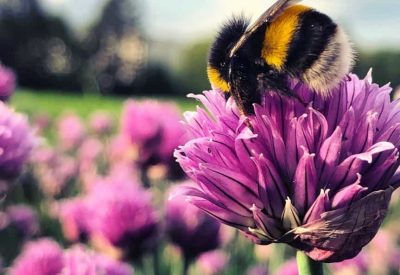
Red yucca is known by the nickname Hummingbird Yucca for a good reason. Like many species frequented by hummingbirds, these blooming flowers do not emit fragrance. Instead, they are popular because of the vivid red that reads like a welcome sign for hummingbirds.
Pests/Disease
Red yucca is an all-around hardy plant resistant to deer, rabbits, and insect pests and diseases.

H. nocturna comes from northern Mexico. It is distinguished by its bright green leaves and lengthy 9-foot-high stems with light pink bells in rows of an inch diameter.

H. campanulate is a plant from northern Mexico. It is distinguished by its bright green leaves and lengthy 9-foot-high stems with light pink bells in rows of an inch in diameter.
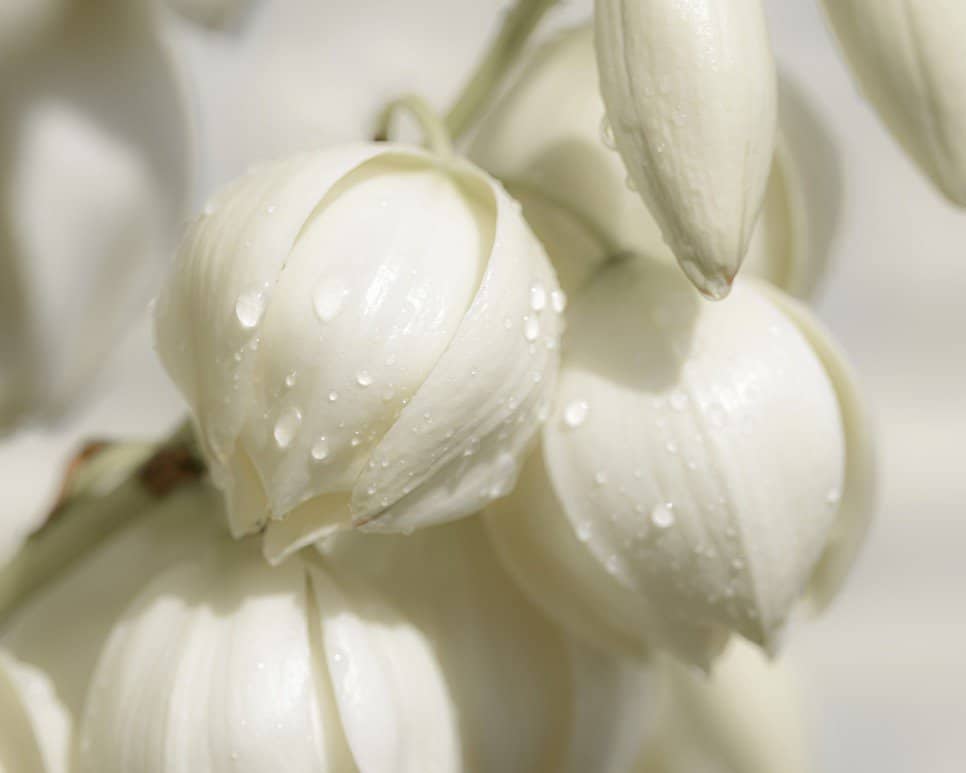
H. funifera is a larger version of red yucca with 12-foot-tall flower stalks and white flowers. Mix this gargantuan companion plant with red yucca to create a dazzling landscape.
Q & A
What is the difference between yucca and red yucca?
Red yucca, Hesperaloe parviflora, is entirely different from yucca, but these plants are often confused. Red yucca is also called false yucca to emphasize the difference. Yuccas have many attractive varieties that can be grown as small as 6-inch container plants and others as 10-foot-tall trees.
Why wonu2019t my red yucca bloom?
If your red yucca doesn’t bloom, you probably have accidentally grown the wrong plant type. For example, Yucca filamentosa, commonly called Adam’s needle, is a yucca variety with belts of green leaves around the base. This yucca variety takes five years to show buttered popcorn-colored blossoms. The original plant blooms once and then sprouts new shoots around its foliage, called pups. Pups are new plants that will start the 5-year blooming cycle again.
In Conclusion
In conclusion, red yucca is an excellent plant selection no matter where you live. In the south, this plant is used to add a dimension of height and beauty to rock gardens and drought-tolerant xeriscapes. In the North, red yucca grows in containers to add color and intrigue to a bedroom or kitchen.
Enjoy this plant for its colorful stems throughout all seasons, and look forward to blooms from spring through fall that return every year.