
Lavender is among the most popular flowers grown in home gardens worldwide. These bright blooms provide a casual elegance to your garden, whether you live in a busy city or a calm countryside. Growing lavender is as easy as cooking a roast in a crockpot: just set it and forget it. Lavender is easy to grow in the West’s warm, dry climates, requiring little pest control, fertilizer, and, once established, water.
These ever-popular plants are best grown as bushy hedges that can line your driveway, shelter wildlife, provide nutrition and shade, give your home more privacy, and produce showy flowers with hundreds of uses! Best known for its delicate fragrance and soothing skin healing qualities, it is an excellent choice as an essential oil, making it a prized ingredient in many aromatherapy products, such as lotions and candles. This herb does it all, from homemade candles, massage oils, and baked goodies! Here is everything you need to know about growing lavender bush hedges so that you can enjoy these plants every day.
Hedge lavender, Lavandin, L. x intermedia is a species specifically bred to be the best-equipped lavender to provide a garden hedge. It grows like English lavender but has the bonus of being taller and broader, adding an element of protection and privacy to your garden while providing a touch of color and fragrance where you want it most, near your front door, and guarding your flowerbeds. Lavender is a perfect companion to every plant in your garden, repelling pests such as rabbits and deer as much as they welcomes pollinators like birds and bees. Hedge lavender is a sterile hybrid, so planting seeds will not yield lavender. Hedge lavender plants must be propagated by layering or taking semiripe cuttings. Once lavender establishes itself in your landscape, it requires minimal maintenance and a low-watering routine. Consider incorporating hedge lavender into your landscape design if you’re looking for a beautiful and functional hedge plant.
In the chart below, you can see the name, height, and color of several varieties of lavender so that you can pick the one that best suits you at a glance. As you can see from the chart, Premier is the tallest at 30 inches, while Thumbelina is the most compact. Both lavender varieties make excellent choices for your hedges. Still, Thumbelina makes a better garden barrier, and Premier will shade your home, cooling it off during the warmer weather and locking in the warmth in the winter. If color is more important to you, you can see above that white Alba and Nana Alba stand out with bright blossoms. Lavender ranges in deep shades of blue, violet, lavender, and purple.

‘Phenomenal’ Lavender is the best variety to grow in warmer climates. Although lavender is hardy to zone 5, southern gardeners can’t resist this beautiful shrub! ‘Phenomenal’ is the best variety to grow in the south, as far as Florida and Texas, to beat the heat and still get the classic beauty of a lavender shrub. After all, bundles of silver-green foliage standing 3 feet tall and wide make an attractive setting for violet-blue cone-shaped flowers.
‘Phenomenal’ is an offspring of ‘Grosso’. It is commercially produced for its exceptional fragrance, but this variety is even more valuable for its disease resistance and heat tolerance.

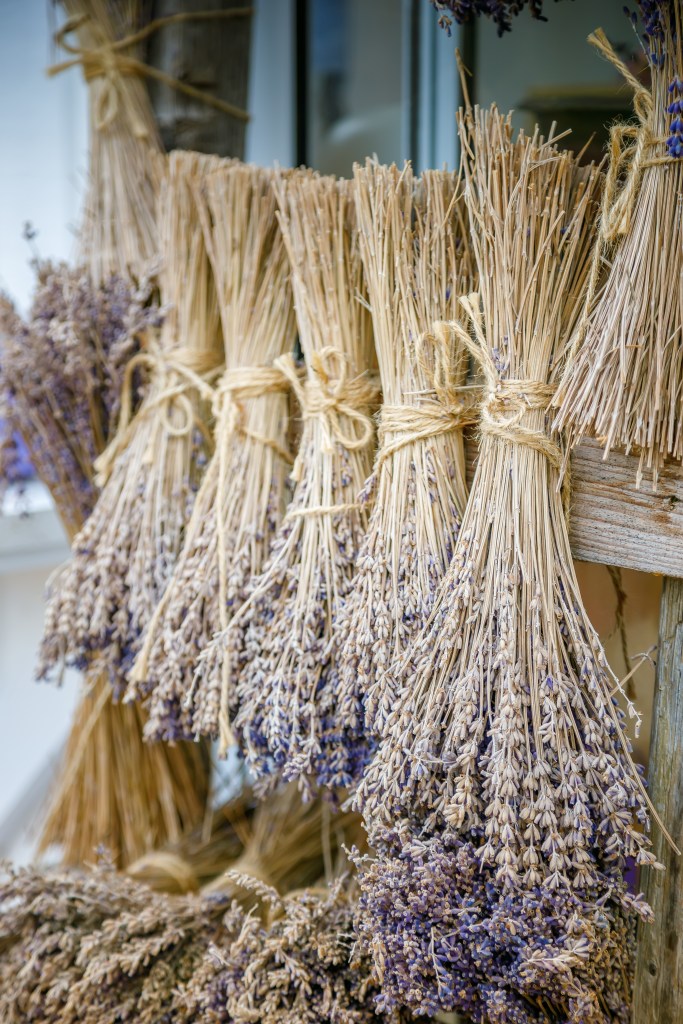
Grow ‘Provence’ lavender in Grow ‘Provence’ lavender in your front yard to gather lavender blooms for arts and crafts this autumn! Harvesting your shrubs’ blooms will give you a fresh supply of lavender. Not only are lavender flowers beautiful, but they can also be handy when dried. Drying them enhances their fragrance as well as their flavor and guarantees they’ll last longer as well. The standard measurement for dried lavender is that 2 cups of freshly harvested herbs have the potency of 1 cup of dried.
Dried lavender makes a great sachet to keep your drawers smelling fresh and make candles, potpourri, cleaning products, and DIY paper. ‘Provence’ provides a sturdy hedge that will add curb appeal to your home and produce flashy flowers that hold their structure, making them an excellent choice for dried flowers. Although ‘Provence’ is among the most aromatic types of lavender, it is not traditionally used to make perfume.

The Best ‘Hedge Lavender’ for Making Perfume
Lavender is famous for its fragrance, but a specific cultivar’s range of quality lends some to aromatic landscapes and others to commercial perfumery. Make the most of your landscape with shrubs that produce flowers that transform into a perfume with the following.
‘Abialii’ Lavender ‘Abialii’ is an all-time favorite choice used in the French oil industry that grows into hedges measuring 2 ft. high by 3 ft. wide. Its flowers grow to 5 in. high in bold violet-blue javelins that dry handsomely.
‘Grosso’ Lavender ‘Grosso’ is a widely planted commercial selection in France and Italy because it is the most fragrant lavender. Compact growth is 2 feet tall and wide with silvery foliage, making it perfect for border plants or container gardening. The large 3-inch-long, tapering spikes of violet-blue flowers on deeper shaded calyxes give off a strong fragrance during late summer. In addition, this variety produces idyllic flowers for drying, which is especially valuable because it is a repeat bloomer with a second showing in late summer.
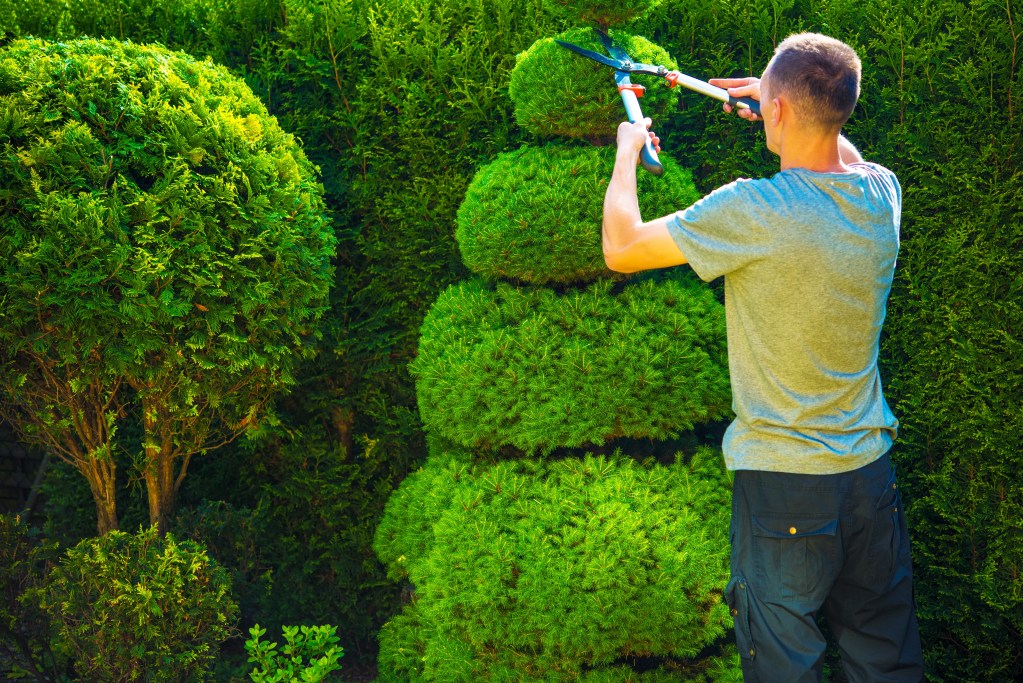
Most hedge plants display uniformity and vigor to serve as a windbreak, add symmetry and structure to a landscape, and shade smaller plants. ‘Hidcote Giant’, ‘ Grey Hedge’, and ‘Thumbelina Leigh’ are ‘Hedge’ Lavenders, strong enough hedges to carve into topiaries!
‘Hidcote Giant’ Lavender’ is a plant with medium green leaves and violet-blue flowers in chubby spikes on compact bushes. They can reach 3 feet wide at their thickest point, though usually not as tall, with stems up to 2 feet high.
‘Grey Hedge’ Lavender makes a robust hedge perfect for topiary because it can be rounded or squared into boxes, standing 3 feet tall and wide. They have smoky gray coloration throughout their otherwise sparse branches, punctuated by pastel lavender-blue flowers.
‘Thumbelina Leigh’ Lavender, though it is the smallest, grows reliably enough to make the list of excellent hedges. It has bright violet-blue flowers that can grow up to 12 inches high, with its leaves measuring roughly 6 inches wide. This selection grows stiff and stable with the solidarity to make it a tiny topiary.

The characteristics of a landscape design’s foliage are essential because the backdrop makes or breaks your showy flowers. These shrubs change that dynamic by providing a silvery stage with blossoms that are so lovely they can outshine the rest of your garden entirely.
‘Alba’ Lavender, also popularly called ‘White Spikes’, has white flowers on sage-green calyxes up to 2 in long. The blooms appear in early summer with an extended stay through fall, making an attractive hedge that can reach 2 feet high and wide when grown correctly.
‘Dutch’ Lavender grows 3 feet tall and 2 feet wide with smoky gray coloration amidst sparse branches punctuated by dark violet flowers. These spheres range from 2 to 3 inches long, creating a stark contrast that leaves a lasting impression.
‘Fred Boutin’ Lavender has bright violet-blue flowers that grow up to 3 inches, extending the length of the large 4-foot unbranched silver-gray stems. Expect annual seasonal blooms around early to mid-summer.
In conclusion, Hedge Lavender, Lavandin, L. x intermedia is scientifically bred as the best bushy hedge for your home garden. Fortunately, it comes in so many varieties, and there is lavender for every type of gardener. For instance, if you are in a much warmer climate. You can take advantage of ‘Phenomenal’ Lavender. Grow ‘Provence’ if you want to craft with dried flowers. Make perfume with ‘Abialii’ or ‘ Grosso’. Practice your topiary with ‘Hidcote Giant Lavender, ‘ Grey Hedge Lavender, ‘Or Thumbelina Leigh, or if your concern is primarily the landscaping design, enjoy the silvery foliage of varieties such as ‘Fred Boutin,’ ‘Dutch,’ and the white blossoms of ‘Alba.’ Ultimately, no matter which one you choose, you will grow an eye-catching dash of color, structure, and fun in your yard.