
Homeowners understand that you can get the most bang for your buck by taking care of your lawn. According to the National Association of Realtors and Landscape Economists, “Thriving lawns not only provide numerous environmental benefits, they can also boost a property’s value. It’s estimated that a well-maintained lawn increases a home’s value by 10-15%, according to The Lawn Institute. Additionally, 79% of Americans say that a lawn is an important feature when renting or buying a home, according to a NALP consumer survey.” 1
Seeding grass is a low-cost and rewarding method to improve your lawn. For effective grass growth with all the advantages of seeding, follow these eight steps to create a lush, attractive lawn. Here are some tips to establish, refresh, and repair your front and back yard to increase the value of your home.

The ideal timing to begin planting grass seed depends on the condition of your lawn and the type of grass you are cultivating.
- Lawns in the northern part of the United States typically consist of cool-season grasses that should be planted in the late cooler temperatures of spring and fall. So, from mid-August to mid-September, plant grass in the north. The ideal temperature range is 55-70°F during the grass growth phase of the cycle.
In Massachusetts, for instance, early fall is the ideal time to plant grass seed. The ground is warm enough to facilitate germination this time of year, but the weather is cool and occasionally wet. This helps to ensure that the newly planted seeds do not dry out. Additionally, there is sufficient daylight at the beginning of fall, allowing new grass to grow and establish before winter arrives.
The ideal timing to begin planting grass seed in the south depends on the types of grass you are planting.
- In the south, cool-season grasses, such as tall fescue and Perennial ryegrass, should be planted in late summer to early fall when the average temperatures hover around 60–70°F.
- In the south target warm-season grass planting for late spring to early summer. The outdoor temperatures should range from 65°F to 75°F.
Lawns in the northern part of the United States typically consist of cool-season grasses that should be planted in the cooler spring and fall temperatures when they are in their growth phase of their cycle.
In Massachusetts, for instance, early fall is the ideal time to plant grass seed. The ground is warm enough to facilitate germination this time of year, but the weather is cool and occasionally wet. This helps to ensure that the newly planted seeds do not dry out.
Additionally, there is sufficient daylight at the beginning of fall, allowing new grass to grow and establish before winter arrives. Rain and sunshine in spring both aid in the growth of grass.

- Sloping the yard away from the building at a 1- to 2-percent grade is recommended. Avoid creating steeper slopes, as they can cause lawns to dry out quickly. Smooth the area thoroughly to prevent depressions, which could result in wet spots that are difficult to mow and susceptible to spreading disease.
- If you plan to replace your lawn completely, it is essential to take the time to remove the previously used turf.
- Use a sod cutter to cut away the grass at the root level.
- Another way to clear the lawn is to spray your yard with a non-selective herbicide that kills both grass and broadleaf plants. If you decide to spray, follow the product’s instructions and avoid contact with plants or grass you wish to protect.
- Following the period, apply the product as needed to kill any remaining grass. Once you’re certain the turf you’re looking to substitute is not dead, remove the dead grass from the area and make any necessary changes to the slope in preparation for the seeding process.

Test your lawn’s soil. The correct pH level of your soil is crucial for maintaining a healthy and flourishing lawn. The majority of lawn grasses thrive when the soil pH is between 6.0 and 7.5. Taking precise soil samples is easy to conduct by yourself. However, you’ll have to take your samples to a trusted soil laboratory for testing. The county extension office can assist with soil testing and provide details on local testing laboratories. The test results will give a precise assessment of the soil’s pH and nutrients, along with recommendations for any necessary adjustments.
The right soil conditions can aid in successful seed germination and promote healthy turf growth. To prepare your soil for planting, you should follow the steps below:
The right soil conditions can aid in successful seed germination and promote healthy turf growth. To prepare your soil for planting, you should follow the steps below:
When a soil analysis indicates that the pH of your lawn is not within the standard range for healthy grass growth, soil amendments can help restore the pH balance.
A soil with an excessively high pH, or alkaline soil, is typical throughout the western United States. Applying sulfur from the element could rectify the problem. If your soil is acidic or has high pH levels, your lawn may require lime to increase the availability of nutrients.
This is typically the case for the Northwest, Northeast, and Southeast regions. Ensure that you carefully follow your soil test guidelines and labeling instructions.
Although it is relatively easy to alter the pH of your soil, it is nearly impossible to change the structure of your lawn.
Conditions such as extremely sandy or heavily compacted soil can affect grass growth, germination, and overall well-being. For healthy grass growth, the soil must have enough air, but it also requires storing the moisture and nutrients that grass requires.
Enhance your soil’s water absorption and aeration by removing rocks and adding organic matter, like compost, to a depth of 2 to 4 inches before planting.
Local hardware stores or garden centers frequently rent tillers or Aerators that improve the soil’s compaction by removing soil plugs, allowing air and water to pass through.

Include nutrients in the soil. The advice from your soil test for your lawn will help you determine the soil’s nutrient requirements and a premium lawn fertilizer. Recommendations may include a phosphorus-containing lawn starter fertilizer. Certain states may have strict environmental regulations on phosphorus fertilizers. Therefore, consult your local extension representative for information on your state’s specific lawn fertilizer requirements.


After amendments have been completed and the soil is smooth and ready, spread the seed evenly, following the recommended seeding rate. Be sure to read the instructions on the label of your seed product and follow the directions. A mistake in seed application could result in unsatisfactory results.
The right spreader for your situation will help you get the desired results. Drop spreaders scatter seed straight down across the spreader’s width when you walk across your lawn. This spreader performs well in tight areas and is perfect for narrow or modest lawns that generally require greater precision in the area where seeds are planted.
A rotary or broadcast spreader is available in walk-behind and handheld varieties, which disperse seeds by distributing them evenly throughout the entire area, providing better coverage. These spreaders are a good choice for large lawns. However, they do not have the precise drop spreaders that they offer.
After you’ve spread the seeds, use a rake to gently work the dirt into the seedbed at a depth of around 1/4 inch. Do not bury the seeds too deeply; grass seeds need sufficient light to sprout quickly. After raking, move across the area using a roller to ensure a perfect seed-to-soil connection, which your seed requires.
Overseeding is the process of adding a generous amount of grass seed to the existing lawn. It is done to enhance the overall appearance and health, increase the thickness of your lawn, eliminate the growth of weeds, cover up damaged or barren areas, or transition to a different type of lawn grass. Additionally, the southern lawns are typically maintained with cool-season grass to maintain an even green appearance during the winter. When overseeding, spread the seeds evenly over the lawn, then water it thoroughly, just as you would for newly laid lawns.

⭐Areas that have been seeded should be watered three times daily with a gentle spray to keep the seeds moist and healthy. Do not water when puddles start forming on the soil’s surface.
⭐ As the seeds begin to germinate and the grass seedlings start to develop, gradually adjust your watering schedule.
⭐ As the grass matures, limit watering to once a day in the early morning. Since the grass has rooted by this time, water abundantly for longer timeframes.

The germination process can take between 5 and 30 days for the type of grass you’re cultivating.
You can expect your new grass to require another four to 10 weeks to establish itself and grow.
After your new seedlings are around 1 inch tall, check the plots you’ve seeded for any spots you might have missed. Re-seed the bare areas and repeat as necessary until your new seedlings have grown and you are satisfied with the outcomes.
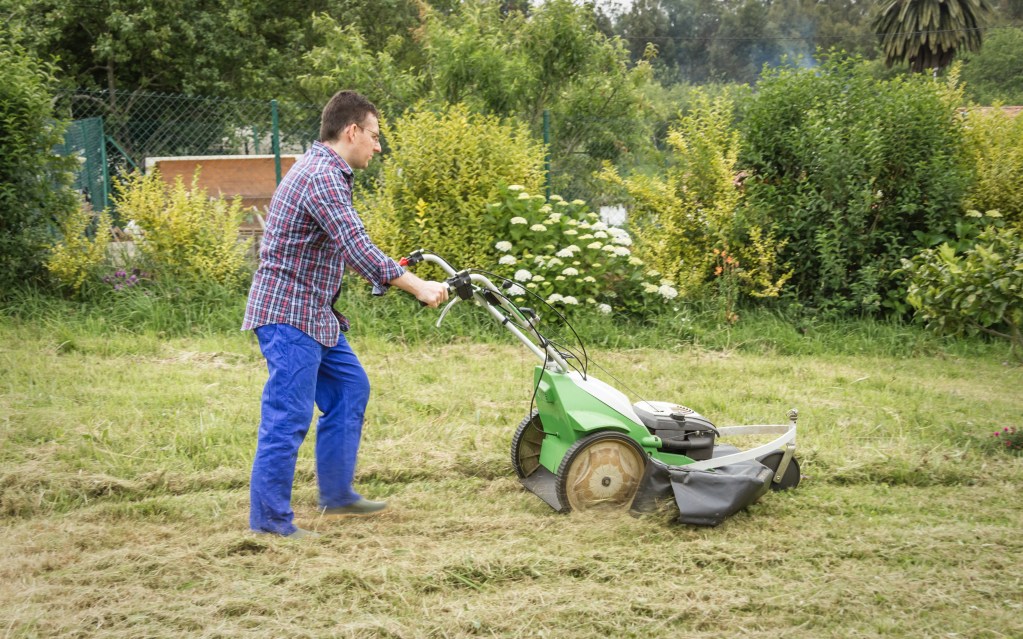
When your grass is 3 inches tall and can withstand cutting, follow best practices for mowing lawns, including the recommended heights suitable for the specific grass you’re growing. Do not remove more than one-third of the blade in a single mow, as this can stress your lawn, leading to diseases, lawn weeds, or weak growth. If you have cool-season lawns planted in the fall, your first mowing could require a delay until next spring.
In the first year of growth, young grass isn’t fully developed, initially avoid foot traffic as much as possible. Keep your lawn healthy by regularly maintaining it, which includes a watering routine. You can water as needed to supplement rainfall, ensuring your lawn receives approximately 1 inch of freshwater each week under normal conditions.

- "Six Benefits of Healthy Lawns –The Edge." National Association of Realtors and landscape economists, 2025, https://www.nar.realtor/newsroom/in-the-news/six-benefits-of-healthy-lawns-the-edge.com.