Planning a garden can be difficult, especially if you are new to gardening. The colors of your garden must blend well together and create an overall aesthetic appeal. This guide will teach you how to use a color wheel to plan your garden.
Color is one of the most important considerations when planning the perfect garden. The color wheel can help you decide what colors will work for your garden and how they will play off each other. Next time you are planting flowers, use this guide!
The color wheel is primarily based on three colors, i.e., Yellow, red, and blue. However, it does contain another blend of colors as well. So the whole color wheel looks like a rainbow.
The best part of using a color wheel to plan your garden is that you can be imaginative and create your color palette. If you see a color combination that you like, go for it! This is your garden, so make it reflect your style.
A color wheel can make things easier for you but does not offer a standard set of rules you should always follow. You can if you want to deviate from the colors and hues on the color wheel. You plant flowers and plants according to your preference and liking. However, make sure that it provides aesthetic value to your house.
A great way to use the color wheel when planning your garden is to think about the mood you want to create. Do you want your garden to feel cheerful and inviting? Warm colors can help with that! Or maybe you want your garden to be a relaxing oasis? Cool colors can help with that, too!
With so many options available, there’s no wrong way to use the color wheel when planning your garden.
The 7 Major Color Schemes
Complementary
Blue-Orange
Monochrome
A monochrome or monochromatic image, object, or palette is composed of one color. Images using only shades of grey are called grayscale or black-and-white. In physics, monochromatic light is a distinct concept of electromagnetic radiation containing a narrow band of wavelengths.
Complementary
Yellow-Purple
Use monochromatic colors for a minimalist look in your garden. Monochromatic colors are different shades of one color. This can be a great way to create monotony in your garden and make it feel minimalistic. For example, you could use all shades of green together for an interesting effect. Utilizing this technique will help your garden stand out!
Complementary
Blue-Orange
Complementary Color
Colors opposite each other on the color wheel are complementary colors. Split complementary colors are those that are adjacent to the complementary color on the color wheel. For example, if the complementary color is yellow, the split complementary colors would be yellow-green and yellow-orange.
Complementary
Yellow-Purple
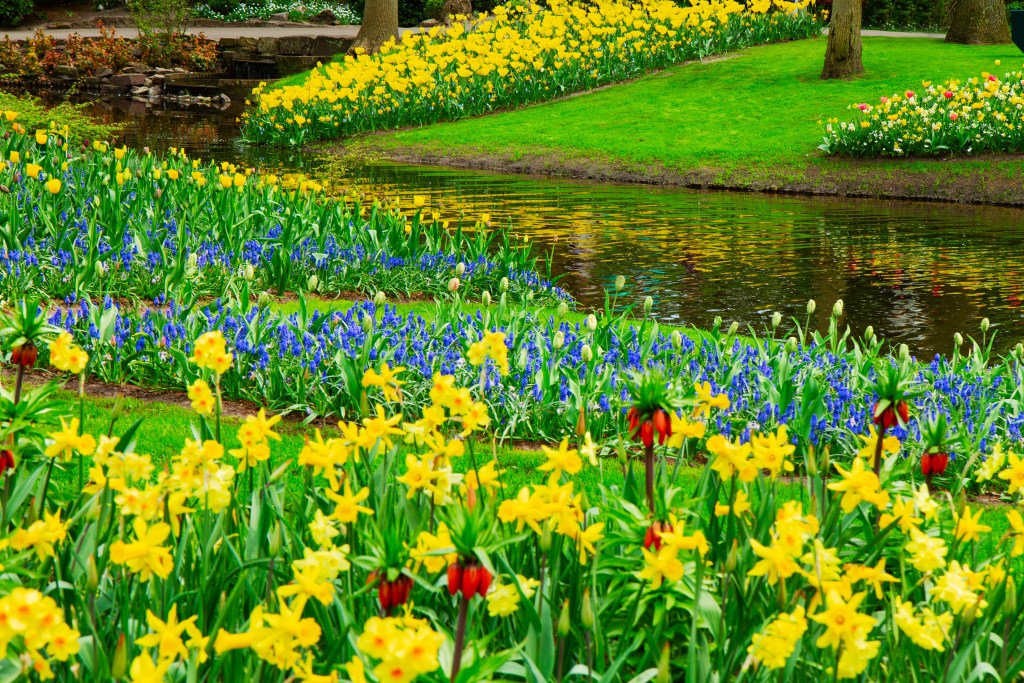
Complementary colors are two opposite colors on the color wheel—for example, blue and orange, or red and green. When used together, these colors create a visual contrast and can be eye-catching. If you want your garden to stand out, use complementary colors!
Split Complementary
Yellow-Orange Garden
Split Complementary
Colors opposite each other on the color wheel are complementary colors. Split complementary colors are those that are adjacent to the complementary color on the color wheel. For example, if the complementary color is yellow, the split complementary colors would be yellow-green and yellow-orange.
Split Complementary
Yellow-Green Garden
Incorporate neutral colors into your split complementary scheme for a classic look in your garden. Neutral colors lie between warm and cool colors, such as beige, gray, and white. These colors can help create a classic look for your garden. If you want your garden to feel timeless, use neutral colors!
Analogous Garden
Analogous
In color theory, analogous colors are groups of colors following each other on the color wheel. Red, orange, and red-orange are examples. The term analogous refers to having an analogy, or corresponding to something in particular.
Analogous Garden
Analogous colors are next to each other on the color wheel. This can be a great way to create color harmony in your garden. For example, you could use shades of purple, blue, and pink together. This will help your garden look cohesive and well-planned.
Triadic Garden in
Red, Yellow, Blue
Triadic, Square, Rectangular Tetradic
A triadic color scheme is one that encompasses three colors that are evenly spaced on the color wheel. Think red, yellow, and blue, the color scheme of this beautiful garden is featured here. This provides a high contrast color scheme, but less so than the complementary color combination, making it more versatile. This combination creates bold, vibrant color palettes.
Triadic Garden in Red, Yellow, Blue
Use a variety of colors for a bold look. Various colors can be a great way to create an interesting look for your garden. If you want your garden to flourish, use this technique! You could even incorporate two complementary colors or two warm hues next to each other on the color wheel. This will help make sure that your garden is eye-catching!
Split Complementary
Yellow-Orange Garden
Warm Garden Colors
Triadic refers to 3 colors that are evenly spaced on the color wheel. This provides a high contrast color scheme, but less so than the complementary color combination, making it more versatile. This combination creates bold, vibrant color palettes.
Split Complementary
Yellow-Green Garden
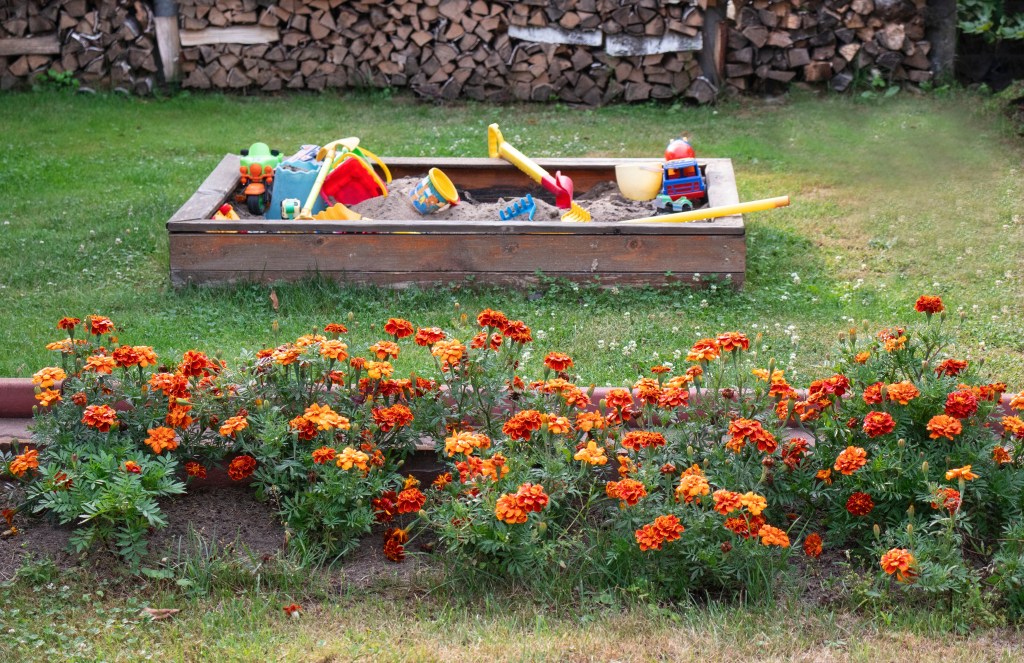
Here you can see a warm-themed gardens in New Hampshire featuring shades of maroon, golden yellow, and apricot orange. Use a complex and unique color composition to create a unique look for your garden. This could involve using three or more colors that are all different from each other. You could also use two complementary colors together with one neutral color. This will help make sure that your garden is one-of-a-kind!
Triadic Garden in
Red, Yellow, Blue
Gardens in Cool Tone Colors
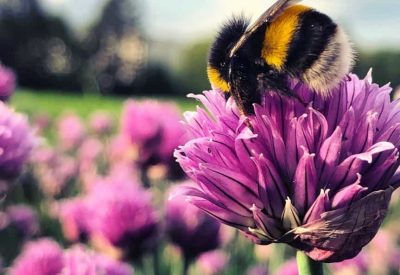
Cool colors appear further from the light, such as blue, green, and purple. These colors create a calming mood and can be great for a relaxing garden. If you want your garden to feel peaceful, use cool colors!
Triadic Garden in Red, Yellow, Blue
Plants with silvery leaves create a calming effect, perfect for a yoga space, near the hot tub or spa, or even on a cozy front porch. Here you can see the cool colors of a lavender garden flush with lilac purple blossoms spiked with silvery leaves.
The Wrap
A color wheel is unnecessary to get the best color combination for your garden. However, it can be a helpful tool when planning your garden. You can see how colors interact and create different moods using a color wheel. This can help you choose colors that work well together in your garden. It can also help you create a cohesive look. Not only does a color wheel provide ideal color combinations for your garden, but it also gives you ideas and suggestions about the available colors. With a color wheel, you don’t have to think about how two colors will look when placed side by side. You can see that in the color wheel. You can also imagine a setup with different colors using the color wheel. Just look at the color wheel and get some ideas about the color of flowers in your lawn, and then close your eyes and imagine how they would look together.