After investing your time and effort in growing your apple tree, any disease you may incur is personally devastating. However, apple tree diseases are a significant problem in orchards, big and small, every year. While this tree is relatively easy to cultivate, it has many issues. Fortunately, many apple tree ailments are manageable, making it possible for even a beginner gardener to recognize and take care of these issues.
Learn to Spot a Sick Apple Tree
Various pests and diseases are related to specific types that affect apple trees. However, certain ailments are common to all varieties of apple trees.
When you are diagnosing your damaged apple tree, remember that apples can have several ailments at the same time. If your first diagnosis doesn’t work, try, try again!
Find out the most common diseases that could affect apple trees, and how to combat these diseases.
Apple Tree Scab
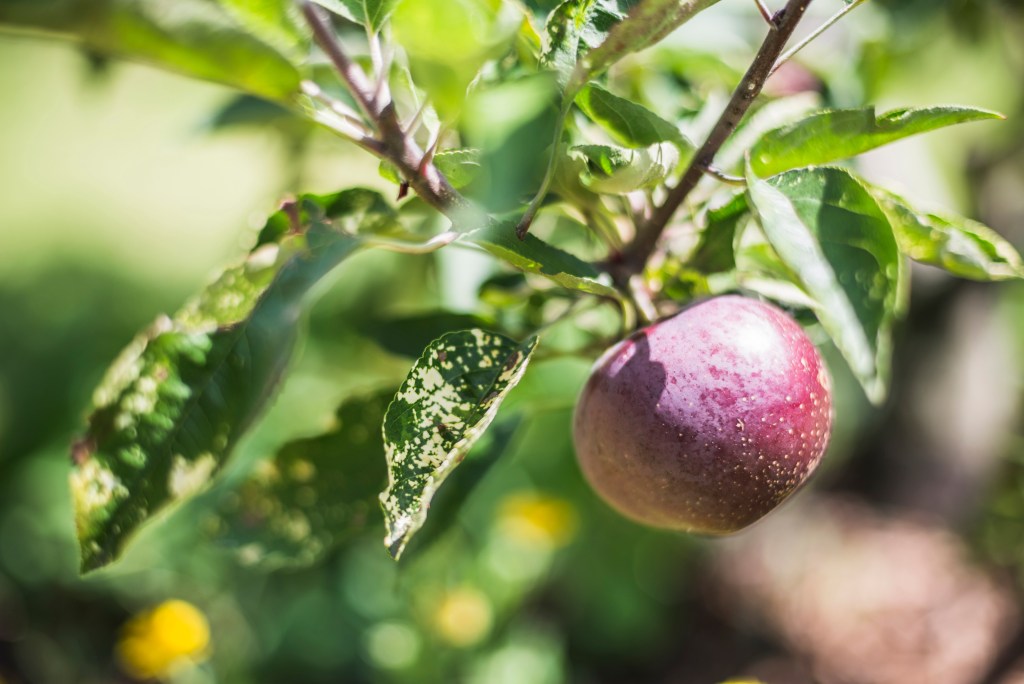
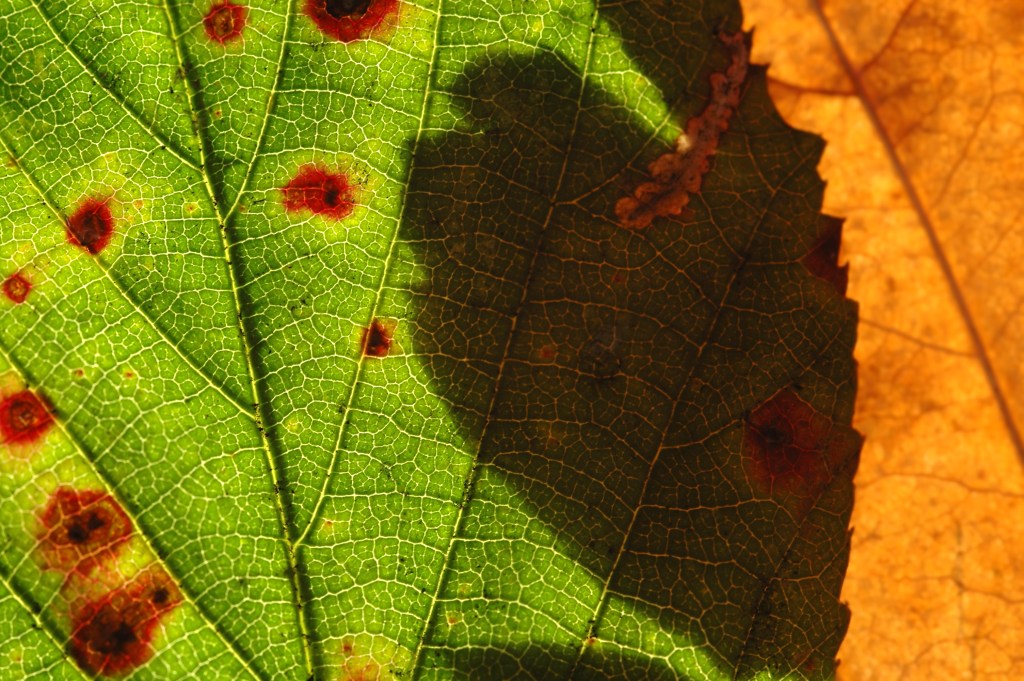
In the springtime, the Apple scab develops on the leaf’s underside and then spreads throughout the tree. Spores are transferred by rain in spring and then infect the new leaves and fruits, as per Washington State University (WSU). It is possible to find black, slimy lesions on leaves, sepals, blossoms, petioles, pedicles, buds, and shoots. As the scab expands, it’s most noticeable on young leaves as they curve, twist, and shrink before becoming indelible.
Scabs are identified initially as small, light brown, or pale yellow spots on the leaf’s undersides. As the scab grows, it becomes dark olive, brown, and eventually black as cells cease to exist. Some leaves are completely covered in spots. Leaves that have been spotted are typically called “sheet scabs.”
The fungus responsible for the apple Scab (V. inaequalis) can survive winter in affected trees regardless of the climate. Gardeners at home and commercial growers utilize various treatment methods to combat the disease. This includes selecting disease-resistant cultivars, sanitation (removal of dead and fallen leaves and fruits from around the tree towards the end of the season of growth), and chemical treatments. According to the University of California Statewide Integrated Pest Management Program, the organically acceptable treatments are fixed copper Bordeaux mix, copper soaps, sulfur, Neem, or mineral oils.
Apple Mosaic Virus
Black box (Helminthosporium populism) is caused by a fungus that thrives in wet weather and can overwinter in trees infected with the fungus, creating conidia (spores) within lesions of old bark. The ideal temperature for the growth of blackpox is 82 degrees Fahrenheit, and the incubation time is from three to six months on fruits. It is easy to identify the fungus by the black, shiny, cone-shaped lesions that develop on the growth of new twigs. Lesions of black and small size also appear on the fruit and later appear sunken. The leaves will display disease symptoms, beginning as red circles that transform into brown or purple.
If you harvest earlier in the season, black pox could develop after the last preharvest fungicide application on unprotected newly planted trees and growing. The most effective treatment for this disease is cleanliness and applying chemicals. After the season of growth, removing the leaves and fruits from the ground and using the fungicide will remove the disease and stop it from spreading to adjacent trees. Planting disease-free stock will keep the fungus from spreading.
Powdery Mildew
The powdery mildew (Podosphaera leucotricha) is a widespread disease affecting plants in mild climates, such as apple trees. The curly and wrinkled leaves indicate this disease in spring. They also notice the gray-white powder covering the twigs, which results in stunted growth.
Powdery mildew also lives in the buds of infected trees. In spring, a delayed blooming suggests that there is a possibility for infection. When they open buds, they are covered in powdery spores. According to Pennsylvania State University Extension, the wind blows and spreads spores, which infect new shoots, leaves, and fruits.
If it is not treated, the disease will lead to blooms fading prematurely and reduced development of your tree. It is possible to treat the disease using a mildewcide treatment and trimming whitened terminal shoots of the trees.
In the picture above, you can see apple tree leaves infected with mildew to the far left.
The center picture depicts pumpkin leaves with powdery mildew for reference.
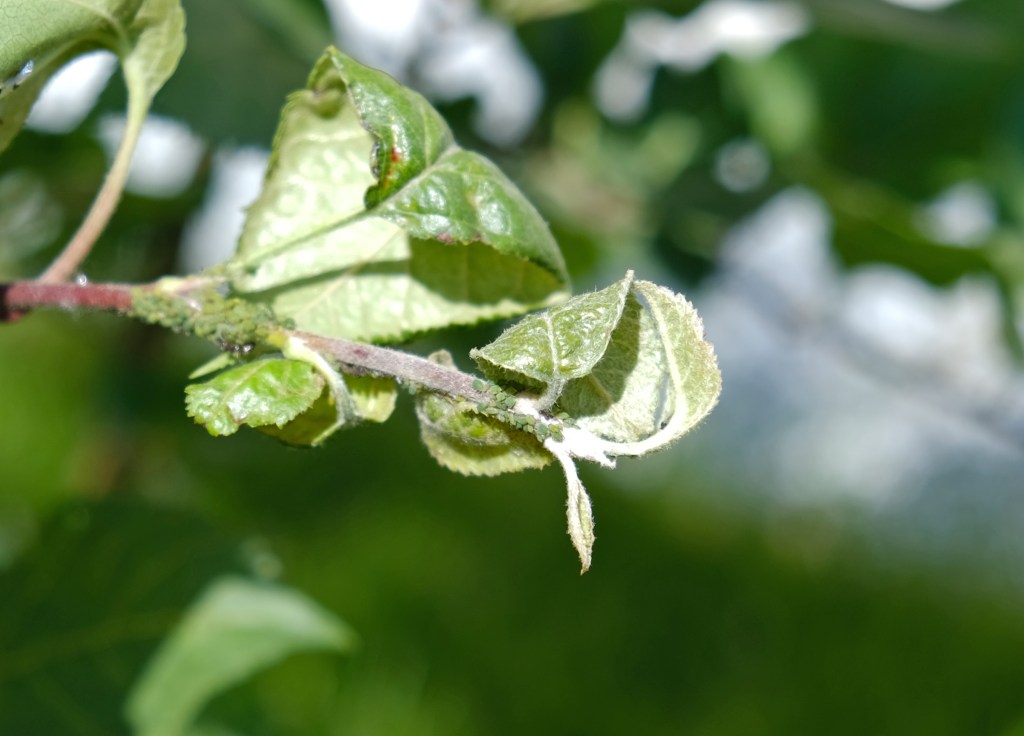
Finally, to the far right, you see an apple tree displaying powdery mildew and a colony of aphids simultaneously. This double dose of pain is a reminder to quickly treat diseases on your plants, or they will become susceptible to additional diseases and pests too!.
Rusts
Apple trees are susceptible to rust. The fungus can affect apple trees and red or juniper cedar with bright spots of reddish or yellow-orange within the apple. In cedars that are infected, the galls range from brown to reddish-brown.
As with cedar apple, rust requires two species to be present for it to be destructive: Apple trees (or other rosaceous species such as quince and pear) and something belonging to the Juniperus species. Another rust that has similar time-frames as the rusts of hawthorn and cedar apple can be found in quince rust (Gymnosporangium kind, G. clavipes), which is a problem for young branches and weakens cedars and junipers with the appearance of cankers on trunks that are not their primary ones. The fruits infected by quince rust are dark green with lesions on the calyx. These lesions cause the fruit to twist, and the pulp gets brown and soft.
White Rot
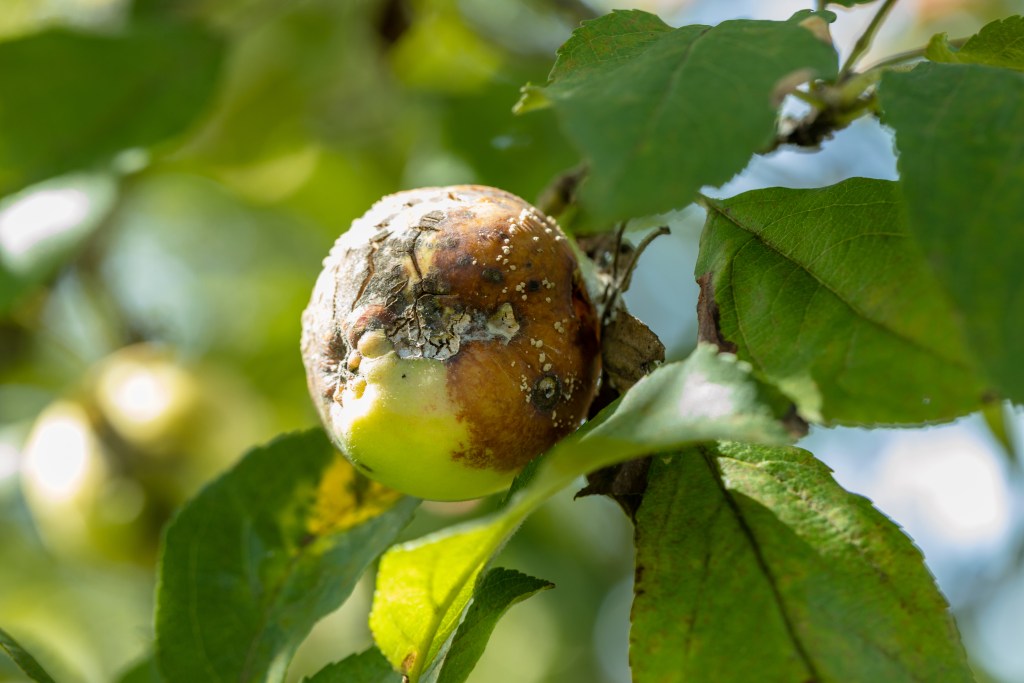
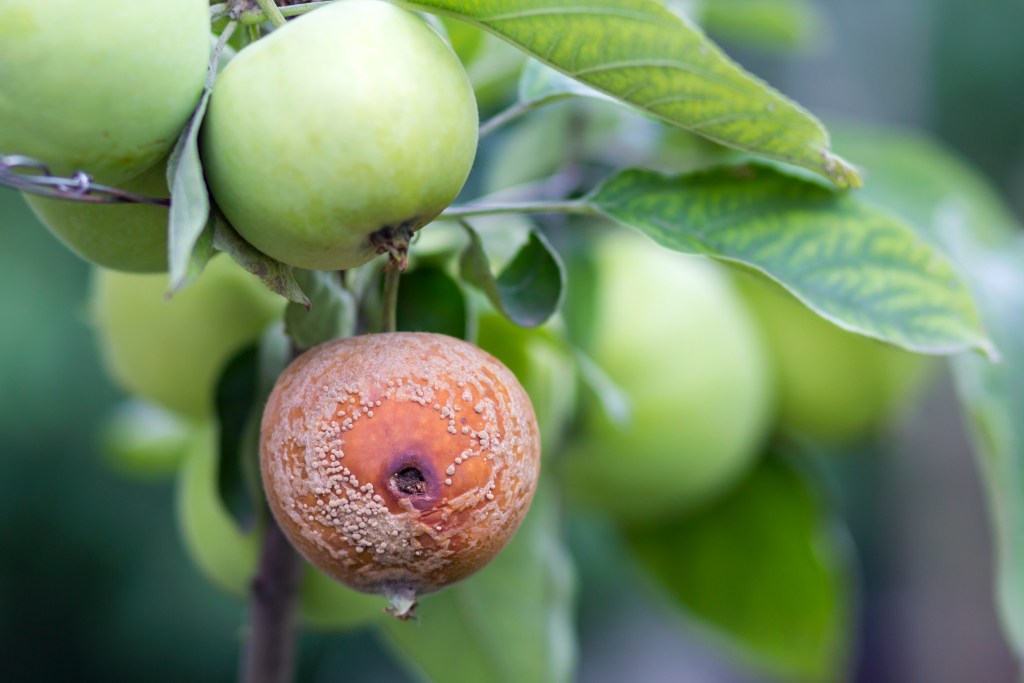
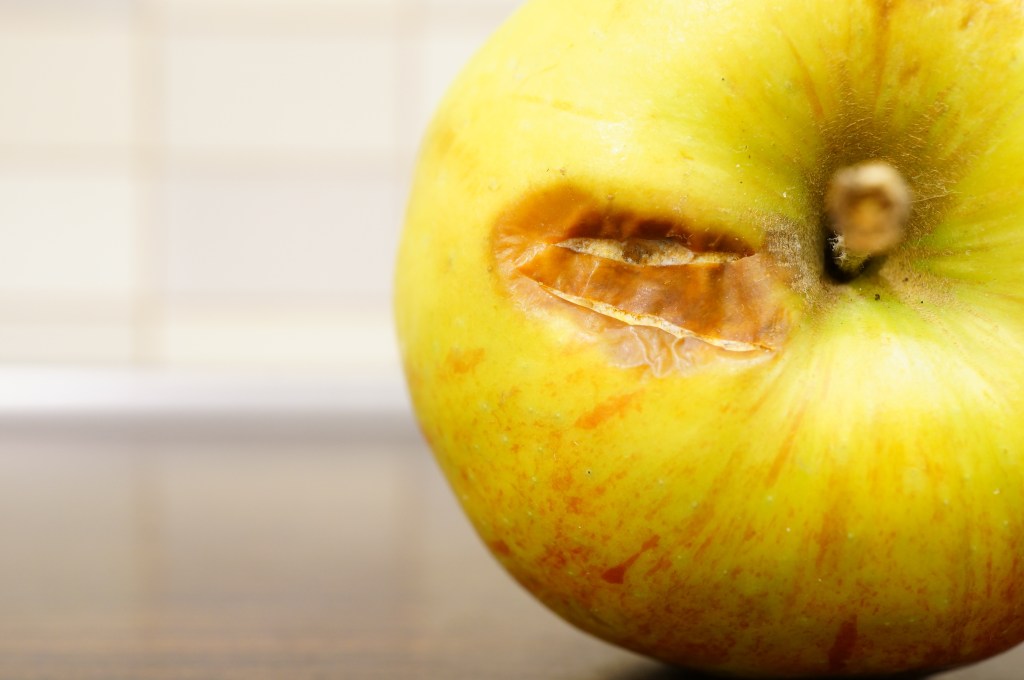
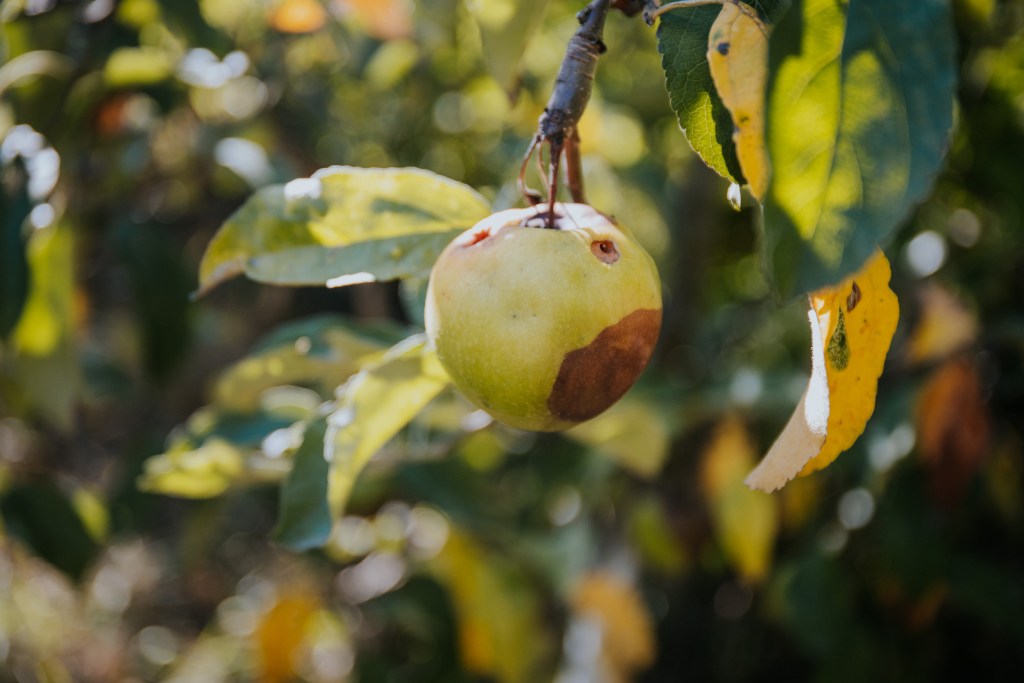
The name white rot is misleading because it comes in all shades and colors, as shown in the pictures above. White Rot only affects the wood and fruit, and not the leaves. The fungi that infect limbs and twigs are evident by tiny circular spots and blisters. The spots will grow larger throughout the season, eventually leading to the trees’ bark turning yellow in affected regions. It can also cause the fall of the tree. In the most severe instances, the disease may cause the limbs to become girdled and the tree to die. Fruit rot can also happen as a fungus; you can recognize it through the appearance of sunken, small brown spots on lighter-skinned varieties. For red-skinned varieties, the spots appear light brown or white in hue.
Twigs, cankers, and dead bark are all hosts to bot rot, a winter pest in the nearby wood and trees, alive and dead. The summer and spring rains pour spores across other parts of the tree, and they spread the disease, as per Penn State University Extension.
Chemical treatments and yearly cutting of dead or damaged wood can control the disease. Apply fungicides throughout your growing seasons, from the time of bloom until the harvest.
The Wrap
Controlling problems for your apple trees begins with one of the abovementioned problems, but given this information, the story ends with delicious apples!